Can bearded dragons eat grapes

Can bearded dragons eat grapes
Can Bearded Dragons Eat Grapes? The Safe Feeding Guide
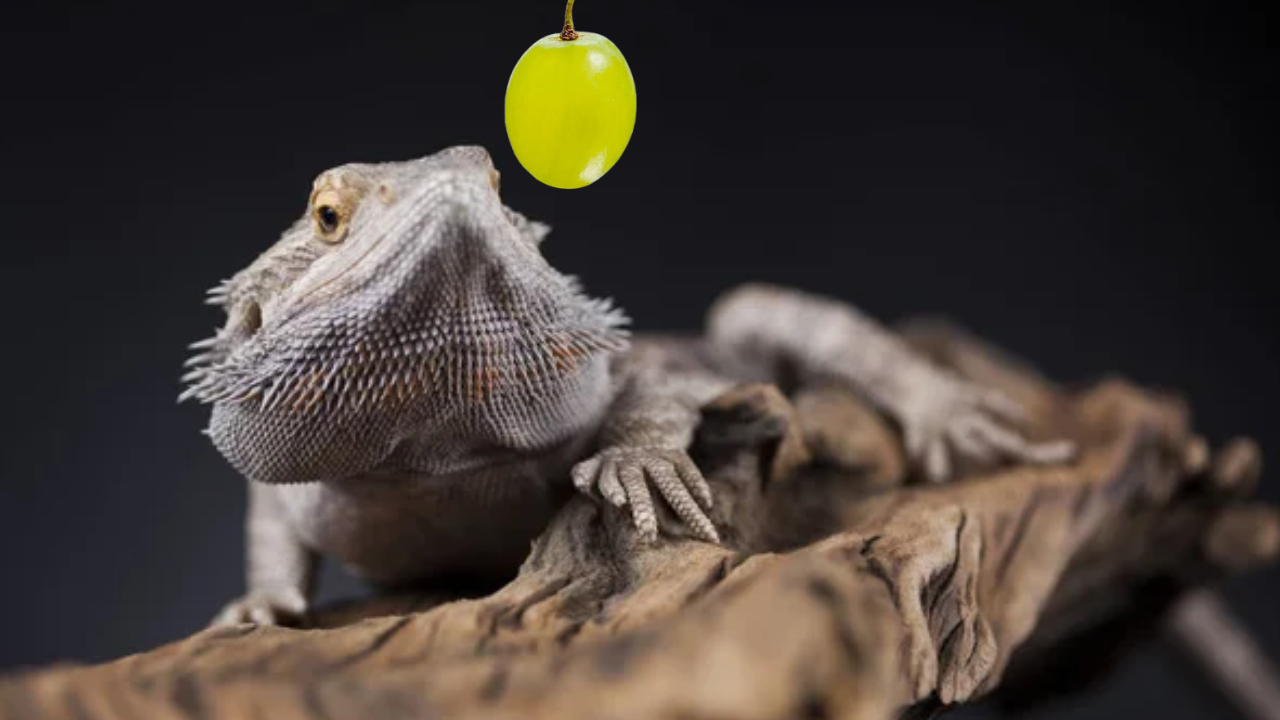
The image of a bearded dragon nibbling on a grape is undeniably cute. But as a responsible owner, you need to know: are grapes actually safe for your scaly friend? The good news is, yes, bearded dragons can eat grapes, but there are crucial rules to follow to prevent serious health risks. This guide covers everything you need to know about feeding grapes safely.
Are Grapes Nutritious for Bearded Dragons?
Grapes offer some hydration and contain beneficial nutrients like:
Vitamin C: Supports immune function.
Vitamin K: Important for blood clotting.
Potassium: Aids in nerve and muscle function.
Antioxidants: Can help combat cellular damage.
However, grapes also come with significant downsides for a bearded dragon’s diet:
High Sugar Content: Grapes are sugary, which can lead to obesity, fatty liver disease, and digestive upset in reptiles.
Poor Calcium-to-Phosphorus Ratio: Beardies need a diet where calcium significantly outweighs phosphorus (aim for a 2:1 ratio) to prevent Metabolic Bone Disease (MBD), a debilitating and fatal condition. Grapes have a suboptimal ratio, meaning they can hinder calcium absorption if fed too often.
Oxalates: Grapes contain moderate levels of oxalates, which also bind to calcium, compounding the problem.
The #1 Safety Rule: Preparing Grapes Correctly
You must never feed a whole grape to your bearded dragon. This is a major choking hazard and can cause life-threatening impaction (intestinal blockage). Proper preparation is non-negotiable.
Follow these steps for safe preparation:
1. Wash Thoroughly: Scrub grapes under cool water to remove pesticides, dirt, and potential chemical residues. Organic grapes are the best choice to minimize pesticide exposure.
2. Cut Them Up: Always slice grapes into small, manageable pieces. For adult dragons, cut each grape into at least quarters. For smaller or juvenile dragons, cut them into eighths or tiny, bite-sized cubes.
3. Remove the Seeds (if applicable): Always check for and meticulously remove any seeds, as they are a choking hazard and may contain trace amounts of compounds that are best avoided.
4. Consider Peeling (Optional): The grape skin, while containing fiber, is the toughest part to digest and where pesticides linger. Peeling the grape, especially for younger dragons, can make it easier to digest and safer.
How Often and How Much? The “Treat” Protocol
Grapes should be treated as a rare treat, not a dietary staple. Here’s a simple feeding guideline:
Frequency: Offer grapes no more than once every 2-3 weeks. This minimizes the risks associated with sugar and oxalates.
Serving Size: A proper serving for an adult dragon is 1-2 small, pre-cut pieces (from a single grape), mixed into their regular salad of leafy greens.
Juveniles: It’s generally safest to avoid feeding grapes to baby bearded dragons. Their tiny digestive systems are more sensitive, and their rapid growth makes proper calcium absorption critical. Focus on their primary diet of insects and calcium-rich greens.
Bearded Dragons and Grapes: Common Questions Answered
Can bearded dragons eat grape leaves or vines?
Yes! In a interesting twist, grape leaves are an excellent, calcium-rich staple green for bearded dragons. They have a great nutritional profile and are highly encouraged. Just ensure they are from an organic, pesticide-free source and washed well.
What about raisins?
No. Absolutely not. Raisins are dehydrated grapes, meaning the sugar is highly concentrated. They are extremely difficult to digest and present a severe impaction risk. Never feed raisins to your bearded dragon.
What are healthier fruit alternatives?
If you’re looking for safer, occasional fruit treats with slightly better nutritional profiles, consider:
Blueberries & Raspberries (high in antioxidants, cut in half)
Papaya (contains digestive enzymes)
Mango (in tiny amounts)
Watermelon (mostly for hydration, feed rarely)
Final Verdict: Proceed with Caution and Preparation
So, can bearded dragons eat grapes? Yes, but only as a meticulously prepared, occasional treat. The key takeaways are: always cut grapes into tiny pieces, feed them infrequently, and prioritize a diet of nutrient-dense greens and appropriate insects.
By following these guidelines, you can safely offer your bearded dragon a juicy piece of grape as a rare snack without compromising their long-term health. Remember, the foundation of a long, healthy life (8-12 years!) for your beardie is a balanced diet built on staple greens, not sugary fruits. When in doubt, a piece of dandelion green is always a better choice than a grape.
