How Big Do Bearded Dragons Get

How Big Do Bearded Dragons Get? Your Complete Growth Guide
If you’re considering adding a bearded dragon to your family, one of the first questions you likely have is: how big do bearded dragons get? Understanding their growth potential is essential for providing the right habitat, nutrition, and long-term care. In this comprehensive guide, we’ll break down the growth stages, size expectations, and factors that influence how large your bearded dragon will become.
The Short Answer
A fully grown bearded dragon typically reaches 16 to 24 inches in length from head to tail and weighs between 300 to 600 grams. However, their final size depends on several variables, including genetics, sex, diet, and overall care.
Bearded Dragon Growth Stages: From Hatchling to Adult
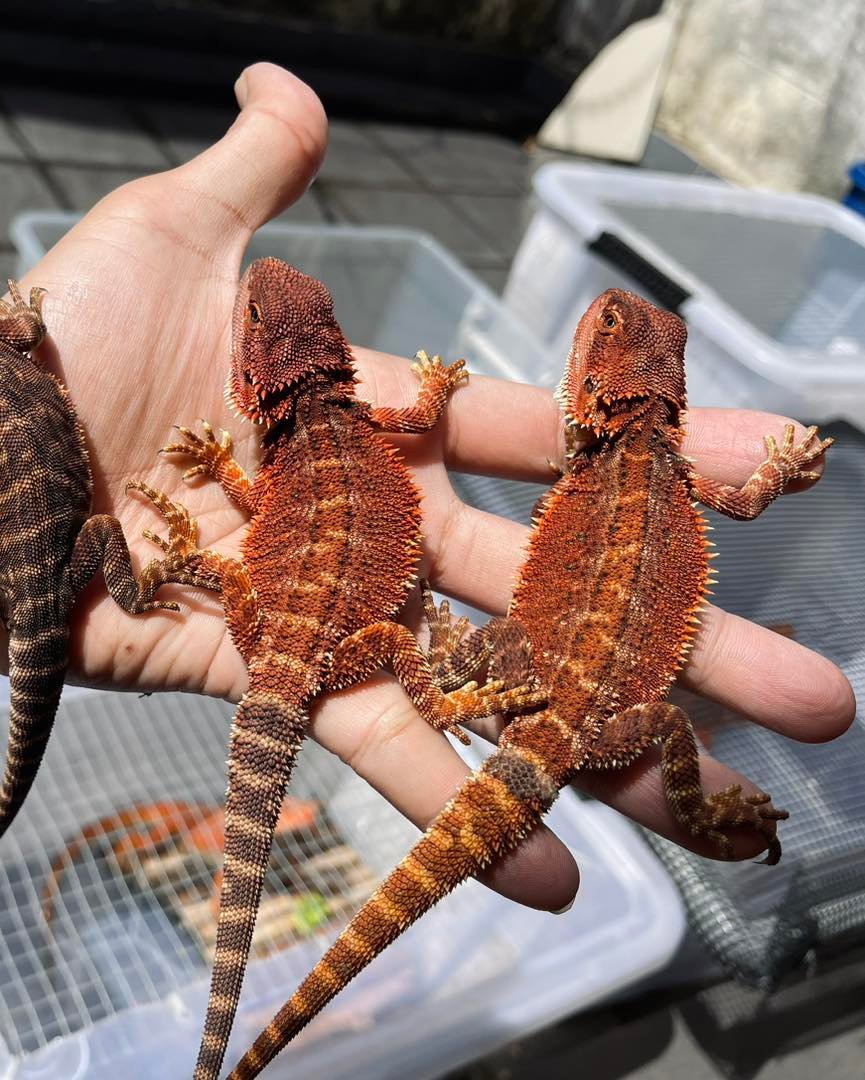
1. Hatchlings (0-2 months)
-
Size: 3-4 inches in length, weighing 4-6 grams.
-
These tiny dragons grow rapidly, requiring daily feedings of insects and fresh greens.
2. Juveniles (2-8 months)
-
Size: 8-20 inches in length.
-
This is the most rapid growth phase. Proper nutrition is critical—they need a protein-rich diet with plenty of insects and gradually introduced vegetables.
3. Sub-Adults (8-12 months)
-
Size: 16-22 inches in length.
-
Growth begins to slow. Their diet should shift to more vegetables (around 50-60%) and fewer insects.
4. Adults (12+ months)
-
Size: 16-24 inches, with most averaging 18-22 inches.
-
Weight stabilizes between 300-600 grams. Males tend to be larger and heavier than females, often developing broader heads and more pronounced femoral pores.
What Factors Influence Bearded Dragon Size?
Genetics
Genetics play the most significant role. Dragons from larger parents or specific morphs (like German Giants, which can exceed 24 inches) will naturally grow bigger.
Sex
Males are generally longer and heavier than females. Females may be slightly smaller, but egg production can affect their weight and health.
Diet and Nutrition
A balanced diet is non-negotiable. Key components include:
-
Protein: Live insects (crickets, dubia roaches, black soldier fly larvae) appropriate to their life stage.
-
Vegetables and Greens: Collard greens, dandelion greens, squash, and bell peppers.
-
Calcium and Vitamin D3: Crucial for bone development and preventing Metabolic Bone Disease (MBD).
Enclosure and Environment
A tank that’s too small can stunt growth. The minimum enclosure size for an adult is 48”L x 24”W x 24”H. Proper UVB lighting (10.0-12.0 UVB tube) and basking temperatures (95-110°F) are essential for metabolism and calcium absorption.
Overall Health
Parasites, illness, or stress can hinder growth. Regular vet check-ups and a clean, stress-free environment are vital.
Bearded Dragon Size Chart
| Age | Length Range | Weight Range | Diet Focus |
|---|---|---|---|
| Hatchling | 3-4 inches | 4-6 grams | 80% insects, 20% greens |
| Juvenile | 8-20 inches | 20-300 grams | 70% insects, 30% greens |
| Sub-Adult | 16-22 inches | 300-500 grams | 50% insects, 50% greens |
| Adult | 16-24 inches | 300-600 grams | 20-30% insects, 70-80% greens |
Common Size-Related Questions
Is My Bearded Dragon Underweight or Overweight?
-
Underweight: Hip bones, ribs, or spine are visible; tail is thin.
-
Overweight: Round belly, fat pads on head are bulging, difficulty moving.
Adjust diet and consult a reptile veterinarian if concerned.
Can You Stunt a Bearded Dragon’s Growth?
Yes. Inadequate UVB lighting, improper temperatures, poor nutrition, or a small enclosure can lead to stunted growth and health issues.
What About “German Giant” Bearded Dragons?
This older lineage was known for larger sizes (up to 26+ inches), but true German Giants are rare today. Most bearded dragons in the pet trade fall within the standard size range.
Setting Up for Success: Ensuring Healthy Growth
-
Start with a Healthy Dragon: Source your bearded dragon from a reputable breeder who prioritizes health and genetics. For well-cared-for, healthy bearded dragons, you can always get one from a trusted source like Bearded Dragons USA.
-
Invest in a Proper Enclosure: Upgrade tank size as they grow. Adults need at least a 120-gallon tank.
-
Master Their Diet: Follow age-appropriate feeding guidelines and always provide fresh water.
-
Monitor Their Health: Weigh and measure your dragon monthly to track growth. Keep a log.
Conclusion: Patience and Proper Care Are Key
Bearded dragons grow remarkably in their first year, reaching their full size by 12-18 months. While genetics set the blueprint, your care directly impacts their health and development. By providing optimal nutrition, correct habitat setup, and regular health monitoring, you’ll ensure your bearded dragon reaches its full, healthy potential. Bearded Dragons for sale
Remember: For those looking to welcome a new bearded dragon into their home, choosing a healthy, ethically-bred dragon is the first step toward a long, rewarding companionship. You can always find healthy, well-started bearded dragons from reputable providers like BeardedDragonsUSA.com.
Enjoy the journey of watching your tiny hatchling grow into a magnificent, full-sized bearded dragon!
