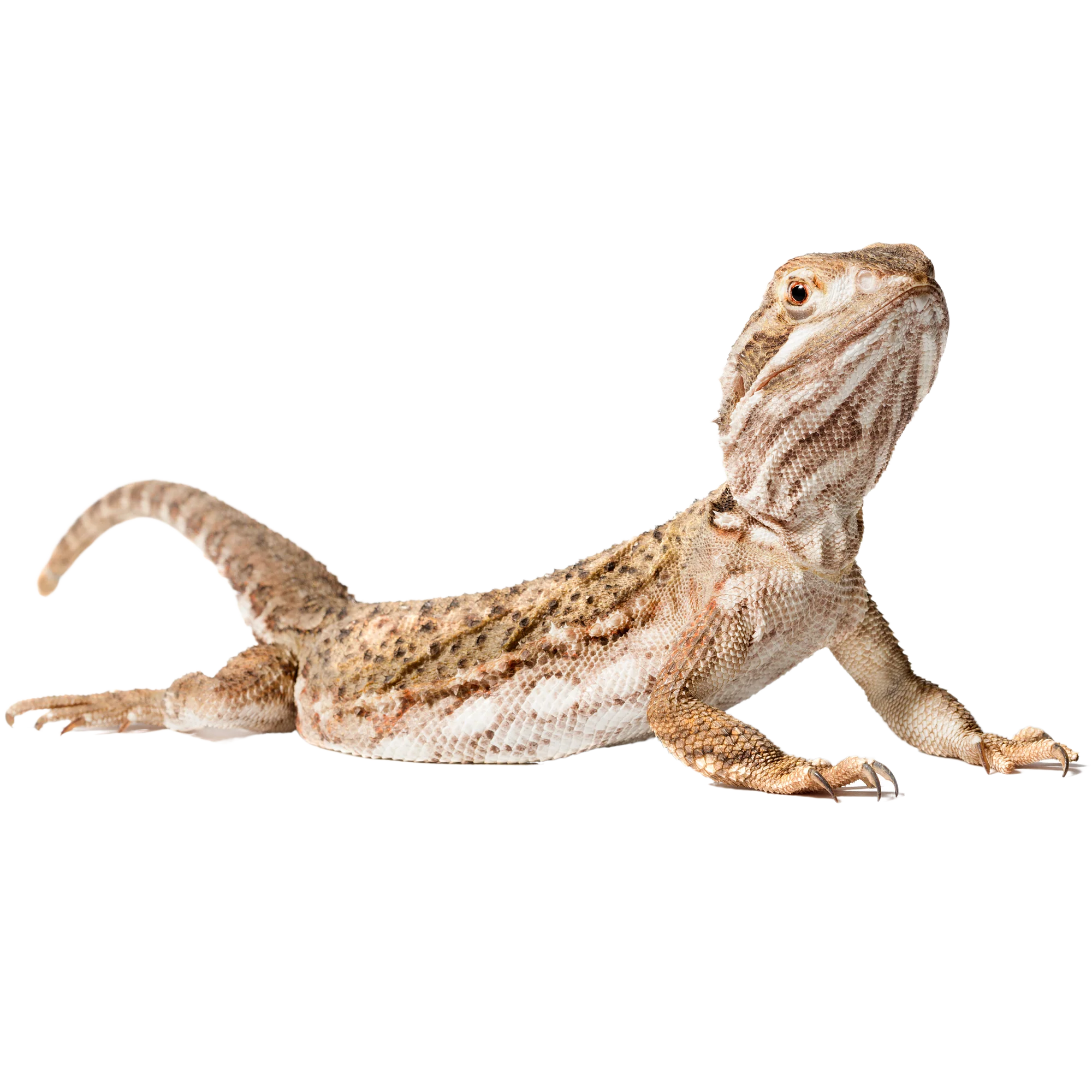
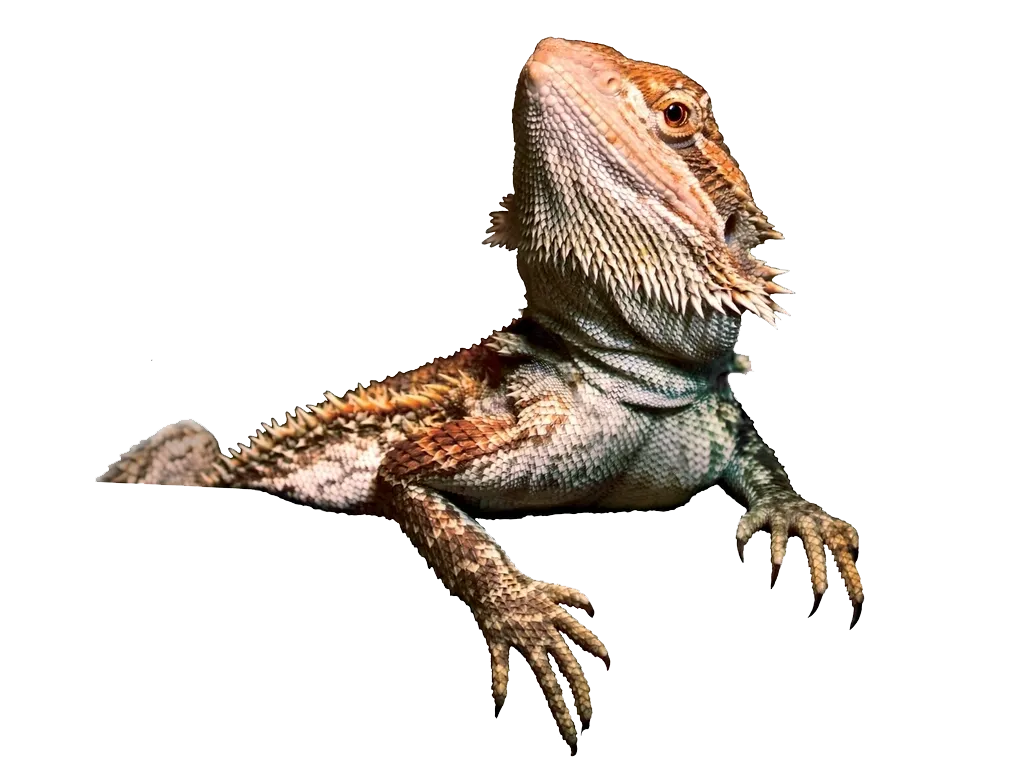
how long do bearded dragons live

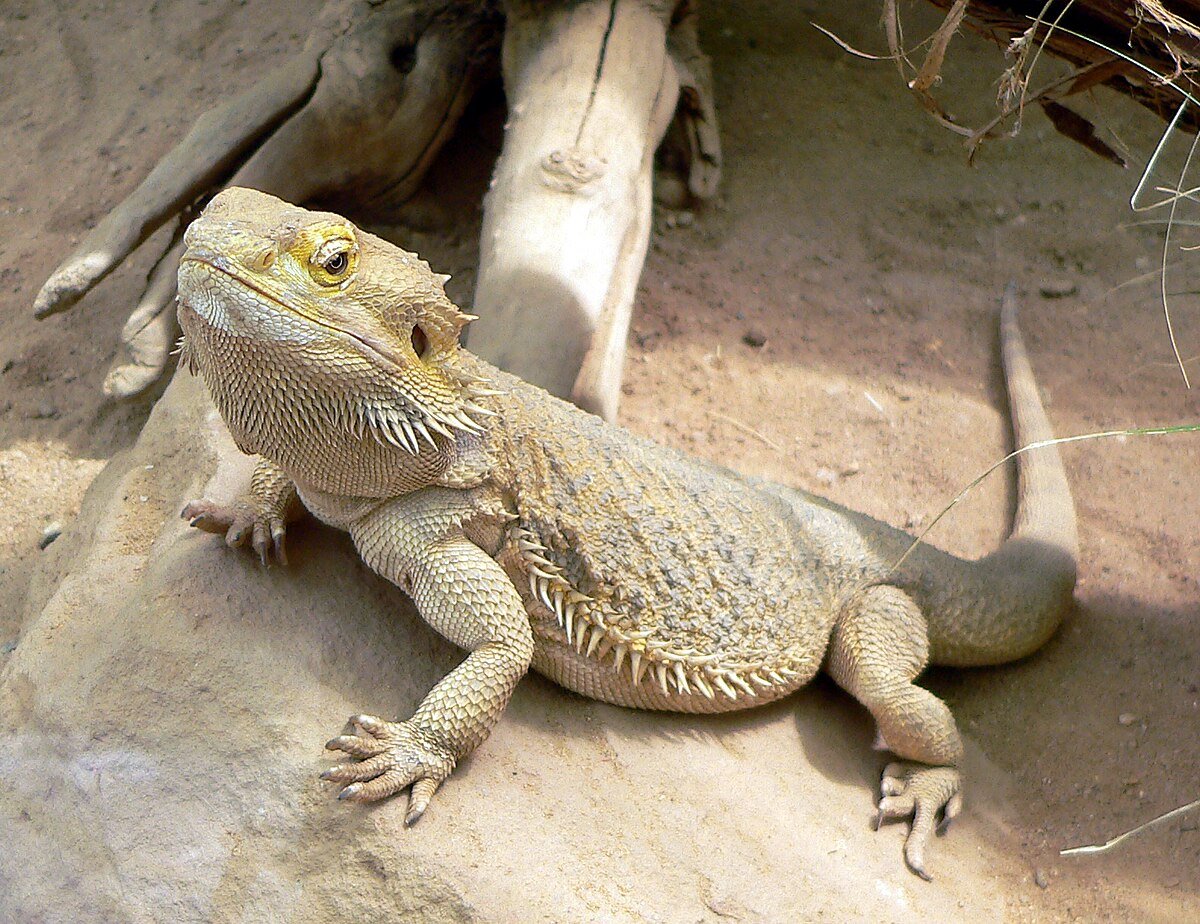
how long do bearded dragons live
How Long Do Bearded Dragons Live? A Complete Lifespan Guide
When welcoming a bearded dragon into your home, you’re committing to a long-term companion. These popular reptiles aren’t short-lived pets, and understanding their potential lifespan is key to providing the care they need to thrive. So, just how long do bearded dragons live?
The Short Answer: 8-12 Years on Average
With proper care, a bearded dragon can live a robust life of 8 to 12 years. This is the standard for the most common species in captivity, the Central or Inland Bearded Dragon (Pogona vitticeps). However, this number isn’t set in stone. Their lifespan is a direct reflection of the quality of their environment, diet, and genetics. Some well-cared-for dragons have even been known to reach 14 or 15 years, making them a significant commitment akin to a dog or cat.
Breaking Down the Lifespan: Captivity vs. The Wild
This is where the most striking difference lies. In the harsh Australian outback, a bearded dragon’s life is fraught with predators, food scarcity, disease, and environmental extremes. As a result, their wild lifespan is dramatically shorter, typically only 3 to 8 years.
In captivity, we remove these existential threats. Their longevity is now almost entirely in our hands. A pet dragon’s lifespan hinges on us replicating their natural needs as closely as possible to prevent health issues and ensure their well-being.
Key Factors That Dictate a Beardie’s Longevity
Diet & Nutrition: This is paramount. Bearded dragons require a precise, age-dependent balance of live insects (like dubia roaches and crickets) and fresh, leafy greens. Crucially, their food must be properly “gut-loaded” and dusted with high-quality calcium and vitamin D3 supplements. Metabolic Bone Disease (MBD), caused by calcium deficiency, is a common and sadly life-shortening ailment in poorly fed dragons.
Husbandry & Habitat: Their enclosure is their entire world. Essential components include:
Proper Heating: A basking spot of 95-110°F and a cooler zone around 80°F to allow for thermoregulation.
UVB Lighting: A high-output, linear UVB light is non-negotiable. It allows them to synthesize vitamin D3 and absorb calcium. This bulb must be replaced every 6-12 months, as its output diminishes long before it burns out.
Adequate Space: A 120-gallon (4x2x2 feet) enclosure is now considered the minimum standard for an adult, allowing for necessary exercise and mental stimulation.
Genetics & Veterinary Care: Start with a healthy dragon from a reputable breeder who prioritizes robust genetics over rare morphs that can sometimes come with health problems. Furthermore, establish a relationship with an exotic-specialist veterinarian. Annual check-ups and prompt attention to any signs of illness (lethargy, loss of appetite, unusual stools) are vital for a long life.
The Lifespan Journey: From Juvenile to Senior
Your dragon’s needs will evolve:
Juveniles (0-12 months): Rapid growth, requiring a diet heavier in protein (insects).
Adults (1-7 years): Diet shifts to primarily greens and vegetables with insect supplementation.
Seniors (8+ years): You may notice that slowed movement, less appetite, and more time spent resting. Senior dragons require even more attentive care and vet monitoring.
The Commitment You’re Making
Choosing a bearded dragon means committing to over a decade of responsible care. They are interactive, curious, and rewarding pets whose lifespan is a testament to the dedication of their owner. By providing expert-level husbandry—focusing on superior nutrition, perfect habitat setup, and proactive healthcare—you are not just keeping your dragon alive; you are giving it the best chance at a long, healthy, and vibrant life.
Ultimately, when you ask “how long do they live?” the most honest answer is: as long as you enable them to.
