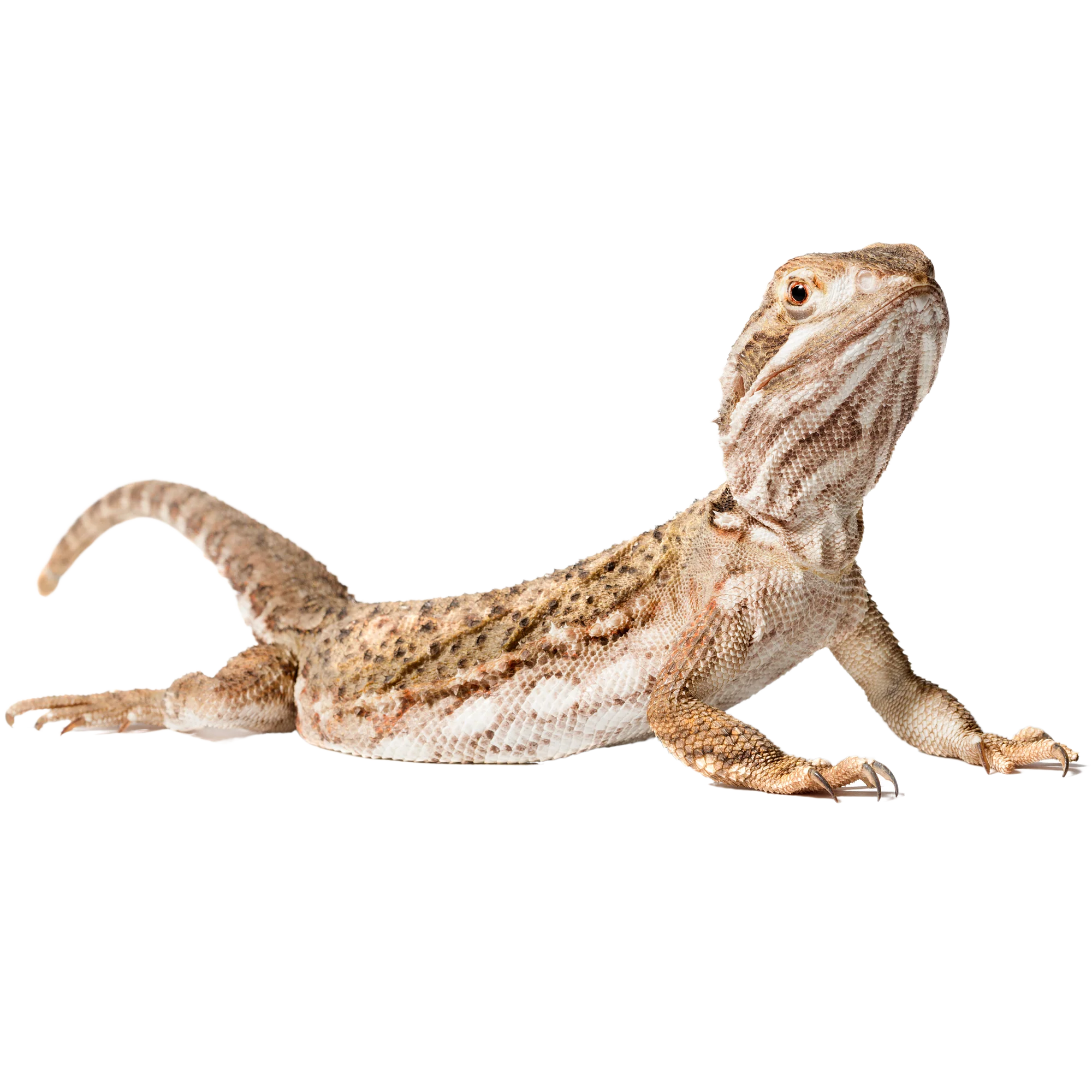
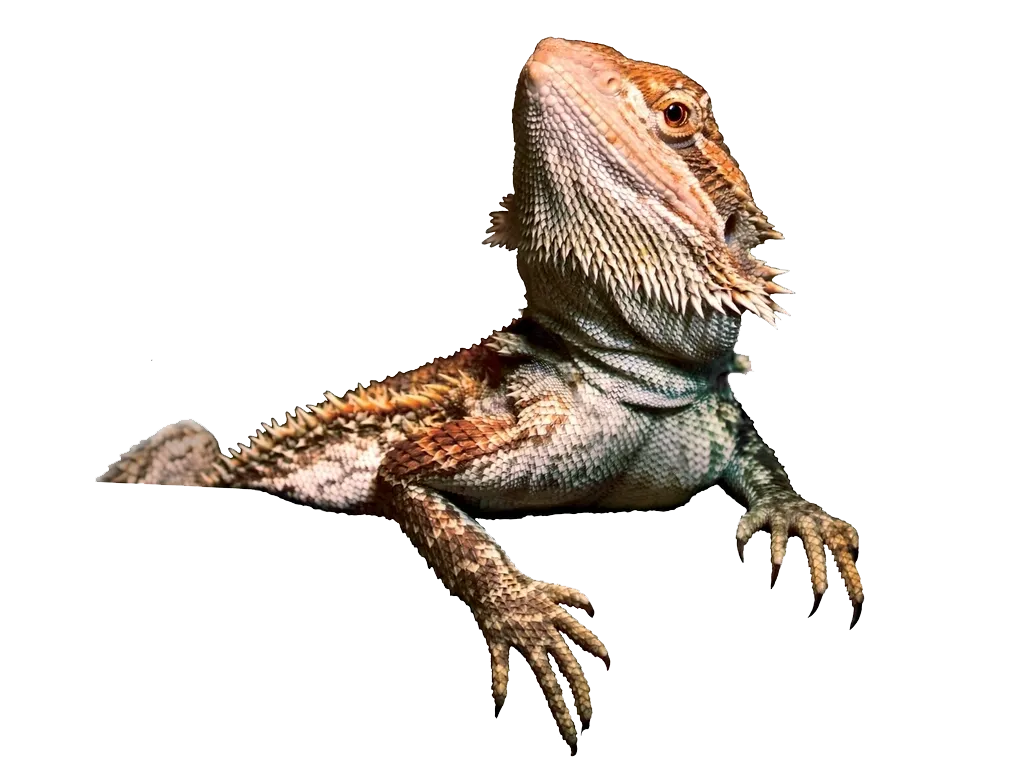
Are bearded dragons venomous

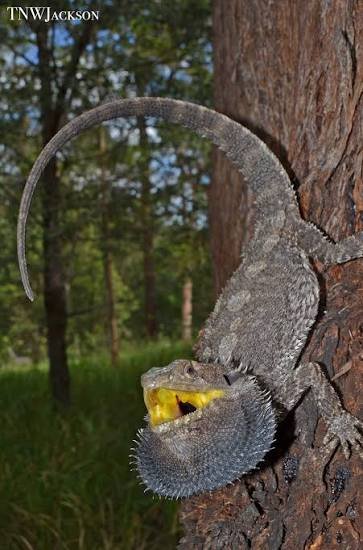
Are bearded dragons venomous
Are Bearded Dragons Venomous? The Surprising Truth Revealed
Bearded dragons are among the most popular reptile pets worldwide, cherished for their docile nature and charming personalities. However, a question that often surfaces among new and prospective owners is: **are bearded dragons venomous?** The answer might surprise you. Scientific research has revealed that these beloved pets do possess venom glands, but the implications for owners are far less dramatic than you might fear.
The 2005 Discovery That Changed Everything
Before 2005, bearded dragons were widely considered non-venomous. That year, researchers at the University of Melbourne made a groundbreaking discovery: bearded dragons possess primitive venom glands located in their jaws . This finding came from a team led by Dr. Bryan Fry, who identified that the eastern bearded dragon contains crotamine – a toxin similar to that found in rattlesnake venom .
This discovery expanded the number of potentially venomous reptile species from 2,300 to an astonishing 4,600, placing bearded dragons among lizard families previously thought to be harmless . The research suggested that venom may be far more widespread among lizards than scientists had ever imagined.
Understanding the “Vestigial Venom”
The venom found in bearded dragons is considered a **vestigial trait** – an evolutionary remnant from their ancestors . This means that while the glands exist and produce venom, the potency and delivery system are so primitive that the venom serves little practical purpose in their modern lifestyle.
Unlike venomous snakes with specialized fangs designed for efficient venom delivery, bearded dragons have grooved teeth that can deliver tiny amounts of venom during a bite . The composition includes various enzymes and proteins, but it is far less potent than the toxins found in many other venomous animals .
The key distinction: Bearded dragons are venomous, but they are not poisonous. Venom must be injected (through a bite), while poison is harmful when touched or ingested .
What Does This Mean for Owners?
Risk to Humans
The short answer: virtually none. The venom is so mild and delivered in such small quantities that it poses no significant threat to human health . The symptoms from a bearded dragon bite are more likely to be from the mechanical injury of their sharp teeth rather than the venom itself .
What owners should be concerned about is the risk of bacterial infection, including Salmonella, which bearded dragons can carry in their mouths . If you are bitten:
Wash the wound thoroughly with antibacterial soap and water
Apply an antiseptic
Monitor for signs of infection
Seek medical attention if the wound becomes inflamed or shows signs of infection
Risk to Other Pets
The venom is similarly non-threatening to cats, dogs, and other common household pets . If your bearded dragon bites another pet, the primary concerns are the physical injury from the bite itself and the potential for bacterial infection, not the venom . As one expert explained, “if you’re dinner then the venom plays a role, but if you’re human it’s most likely just to make your hand throb” .
Debunking Common Myths
Myth 1: Bearded Dragons Are Poisonous
False. They are not poisonous. Their spikes, beards, and scales are not toxic to touch or ingest .
Myth 2: The Venom Can Be Dangerous to Humans
False. The venom is so mild it has negligible effects on humans, though it may help subdue small insect prey in the wild .
Myth 3: Bearded Dragon Bites Are Dangerous Because of Venom
Partially false. While they do have venom, the real concern from a bite is bacterial infection from their mouths, not the venom itself .
The Real Health Concern: Salmonella
While the venom of a bearded dragon is not something to worry about, responsible owners should focus on the genuine health consideration: Salmonella transmission. Bearded dragons naturally carry Salmonella bacteria in their digestive tracts . This doesn’t affect the lizard but can cause illness in humans.
Safety practices for bearded dragon owners:
– Always wash hands thoroughly after handling your dragon or cleaning its enclosure
– Supervise interactions between your dragon and young children or immunocompromised individuals
– Keep your dragon’s habitat clean and maintain good hygiene practices
– Never kiss or share food with your bearded dragon
Final Verdict: Should You Worry?
Absolutely not. While bearded dragons are scientifically classified as venomous, their venom is essentially harmless to humans and common pets. The 2005 discovery is more significant for evolutionary biology and medical research than for pet owners . The venom toxins represent an untapped resource for drug design and development, potentially leading to new treatments for conditions like epilepsy and thrombosis .
For bearded dragon owners, the focus should remain on proper care, hygiene, and understanding your pet’s behavior. The real threats are not from their mild venom but from potential bacterial infections and, of course, those surprisingly powerful jaws if your dragon feels threatened .
Bottom line: Your bearded dragon may be technically venomous, but it’s still one of the safest and most rewarding reptile pets you can own. The tiny amount of venom they produce is a fascinating evolutionary relic, not a cause for concern.
