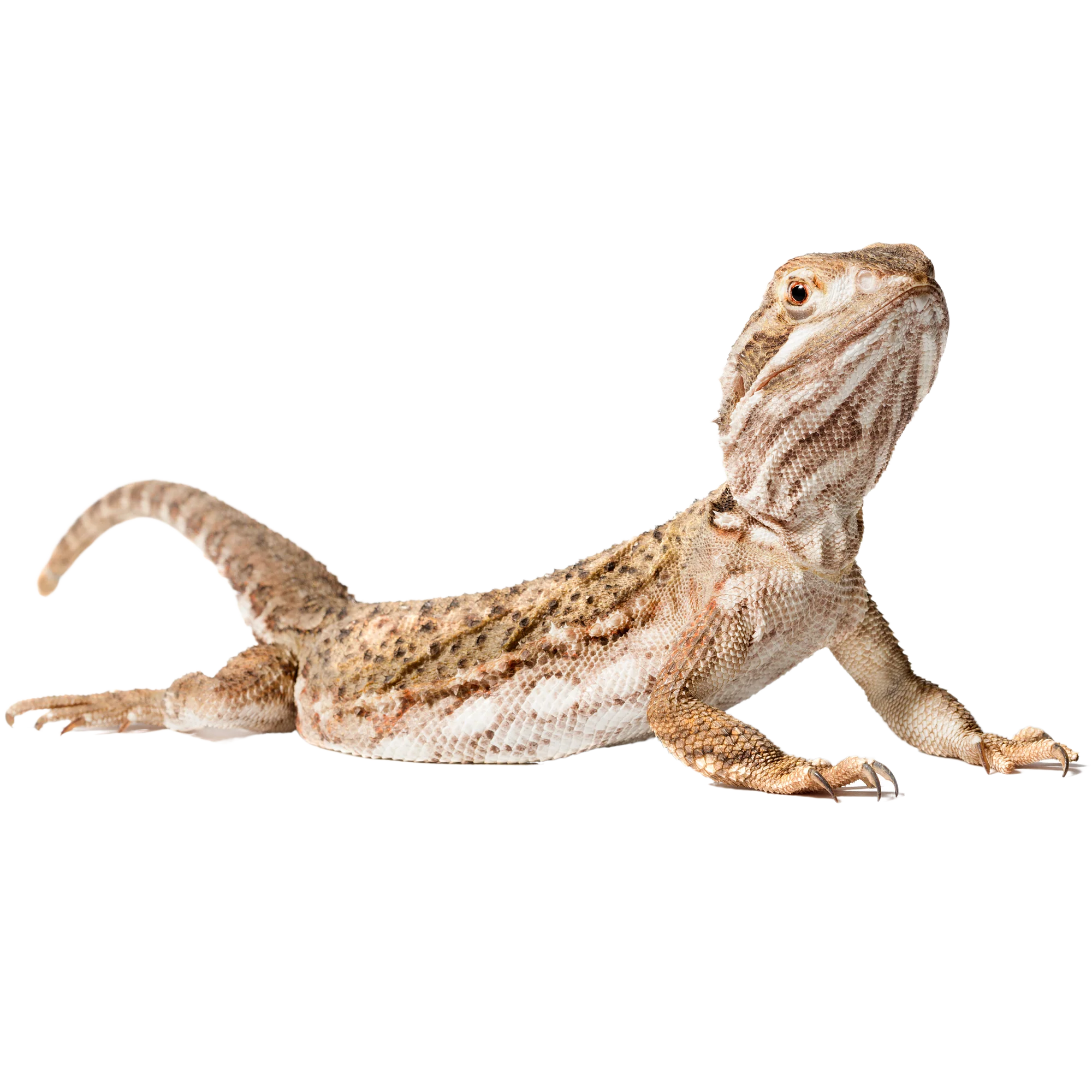
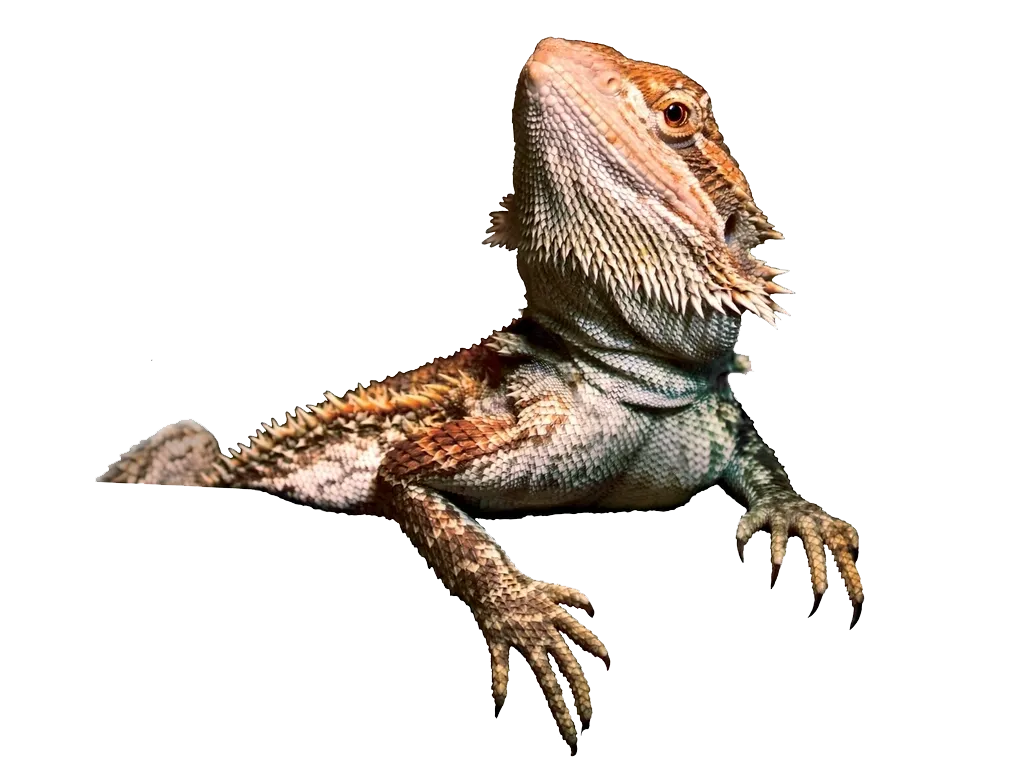
how to tell sex of a bearded dragon

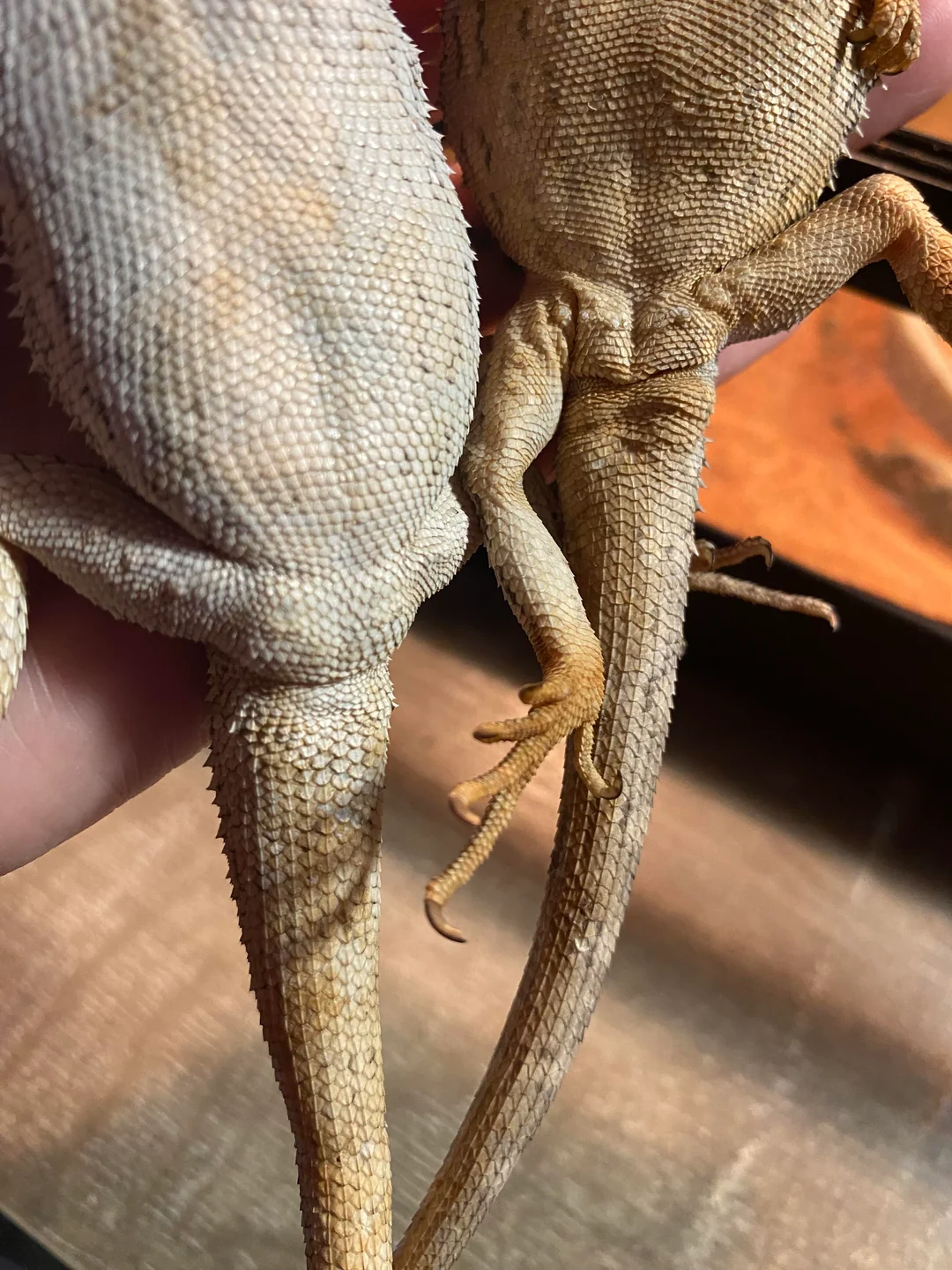
how to tell sex of a bearded dragon
Figuring out whether your bearded dragon is a boy or a girl is one of the most common questions new owners have. It’s an exciting milestone, but it can also be surprisingly tricky. If you’ve searched online, you’ve probably seen a mix of advice—some say males are bigger, others swear by head-bobbing behavior, and some mention looking for bulges. So, what’s the real answer?
The simple truth is that many popular methods are unreliable. While male bearded dragons often grow larger and display more dominant behaviors, these traits overlap significantly with females and are heavily influenced by individual personality and environment . Relying on these can lead to a wrong guess.
This guide cuts through the confusion. We’ll show you the most accurate, vet-approved method to determine your dragon’s sex, explain what to look for at each age, and clear up the common myths.
The Most Accurate Method: Examining Hemipenal Bulges
The gold standard for sexing a bearded dragon is a visual check of the tail base, looking for hemipenal bulges. These are the internal reproductive organs, and their presence and location are the clearest indicators of sex.
For a Male: Gently lift your dragon’s tail to about a 45-90 degree angle. At the base of the tail, just past the vent (the cloaca), you should see two distinct bulges—one on the left and one on the right. The center will often look like a slight indent .
For a Female: Using the same method, you will not see two bulges. Instead, you’ll see a single, centered bulge or a much flatter appearance in that area.
Important Safety Note: Never force the tail up or bend it past its natural range. The goal is to observe the shape, not to stretch or stress your dragon. A well-supported hold is key .
The Flashlight Method (Transillumination)
If the bulges aren’t easily visible, the flashlight method can help . This is especially useful for younger dragons.
In a dimly lit room, hold your dragon as if you were checking the hemipenal bulges. This time, place a bright (cool) LED flashlight against the top (spine side) of the tail base. The light will illuminate the internal structures .
Male: The light will reveal two darker, denser shapes on either side of the tail, often with a lighter line down the center.
Female: The light will usually pass through more evenly, without two distinct shadows .
Supporting Clues: Femoral Pores and Behavior
While not definitive, secondary characteristics can support your conclusion .
Femoral Pores
These are a row of small pores on the underside of each back leg. In adult males, they are larger, darker, and more prominent, sometimes appearing waxy. Females have these pores too, but they are usually much smaller and harder to see .
Behavioural Traits
Behaviour is far from a sure thing. While it’s common to see males head-bobbing to show dominance or females arm-waving to show submission, both sexes can perform these actions . Observing these behaviours can be fun, but they shouldn’t be your primary method of sexing your dragon.
When is the Best Time to Sex a Bearded Dragon?
Patience is key. Sexing a bearded dragon is extremely difficult until they are a few months old. The differences are simply not developed yet.
For dragons under 3 months of age, the hemipenal bulges are often not visible, and most hatchlings appear to be female . The distinction becomes much clearer between 3 and 6 months of age as the hemipenes develop . If you can’t tell at first, wait a few weeks and try again—development can happen quickly.
A Warning Against Probing
You may encounter a method called “probing,” which involves inserting an instrument into the vent. This should never be attempted by a pet owner. It carries a severe risk of injury, infection, and prolapse . If you require absolute certainty for breeding purposes, only a qualified reptile veterinarian should perform this procedure.
Conclusion
So, to accurately determine if your bearded dragon is a boy or a girl, focus on the anatomy. Look for the presence of two distinct hemipenal bulges at the tail base for a male and a single, central bulge for a female. Use the flashlight method if needed. While femoral pores can offer supporting clues, remember that age matters—wait until your dragon is at least a few months old for a clear answer.
